Giornata mondiale della filosofia

A partire dal 2002, ogni  terzo mercoledì di novembre l’UNESCO celebra la Giornata Mondiale della Filosofia.
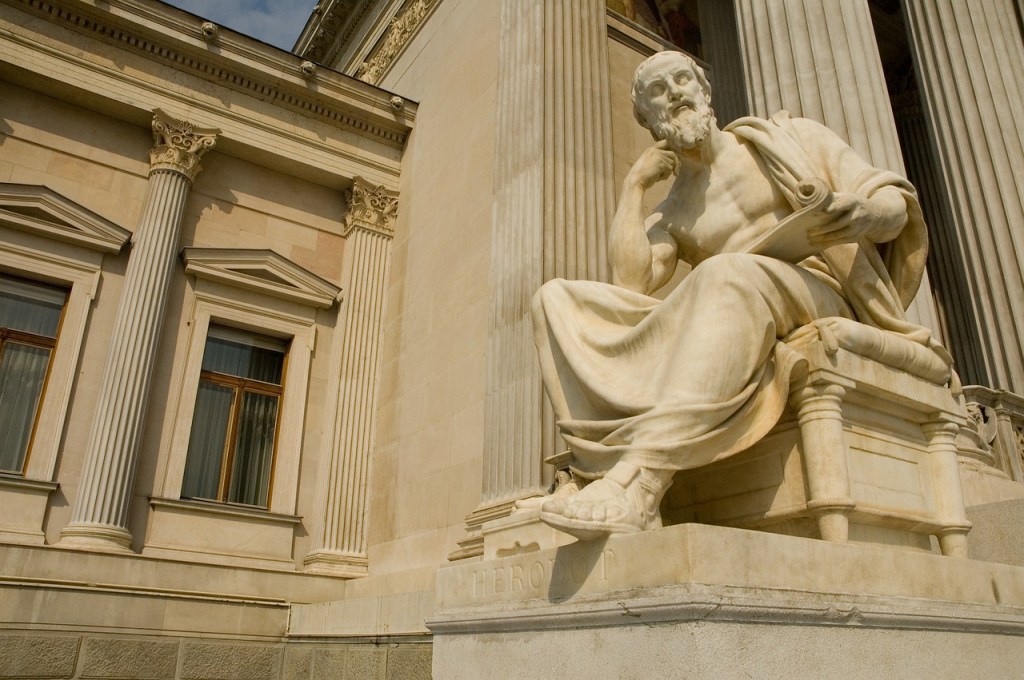
Non solo mera disciplina scolastica finalizzata ad enumerare pensieri ed autori, la filosofia è materia viva e vitale tanto da stimolare un’attività riflessiva che però non è solo fine a sé stessa ma anche concreta e pratica dal momento che può incidere sulla vita di ogni individuo e della società di cui è parte. 
piaxabay.com

“Amore per il sapere”, la filosofia stimola un  confronto che è autentico nella sua immanenza e permette il disvelamento di realtà e modi di vivere spesso lontani dal proprio, senza alcun pregiudizio.
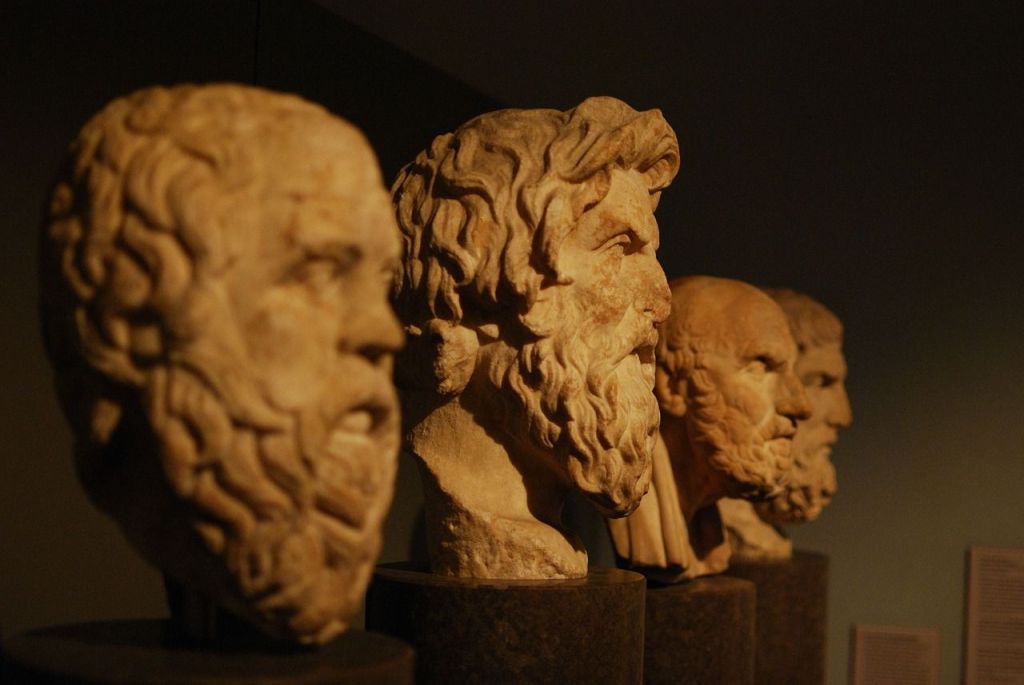
La filosofia ha come fine lo sviluppo di un pensiero critico che può salvarci dall’accettazione passiva di parole, storie o racconti dalla parvenza del velo ma profondamente falsi. 
pixabay.com

Stimolare la capacità di ragionare a partire dai bambini fino ad arrivare agli adulti: ecco una delle sfide dalle quali la filosofia non può esimersi e destinata a tutti visto che per “fare filosofia” non c’è limite di età.
Forte di questa convinzione, nel Regno Unito è nato “Philosophy for Children” , un’idea diventata realtà concreta che ha visto i bambini coinvolti sviluppare senso critico e migliorare le proprie abilità logico – matematico. 
photo©MariaDomenicaDepalo

Gli esperti hanno notato anche un miglioramento nelle interazioni  dal momento che i bambini venivano coinvolti in dibattiti costruttivi imparando ad ascoltare i propri compagni e poi a confrontarsi, nel rispetto reciproco.
E non è poco.
photo©MariaDomenicaDepalo

In un momento storico difficile come quello attuale, caratterizzato da guerre,disparità e discrimazioni sempre più crescenti, ricordiamo le parole di Audrey Azoulay che mostrano l’importanza di un vivere e ragionare filosofico:  “Al fine di costruire un mondo migliore e muovere verso un ideale di pace, sappiamo che dobbiamo adottare un approccio filosofico, cioè dobbiamo sottoporre a una critica radicale i difetti del nostro mondo, al di là del tumulto delle crisi. La filosofia è dunque essenziale quando si tratta di definire i princìpi etici che dovrebbero guidare l’umanità”.
photo©MariaDomenicaDepalo

Buona giornata della filosofia.
Maria Domenica Depalo
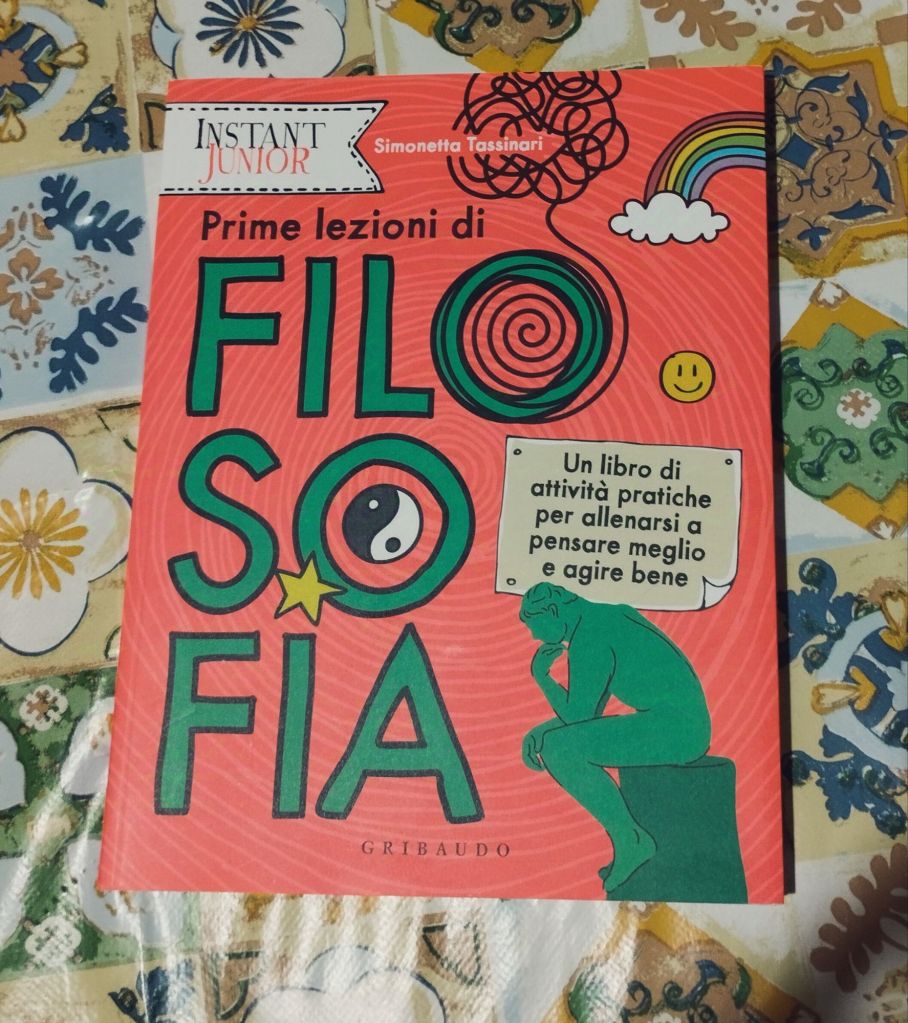
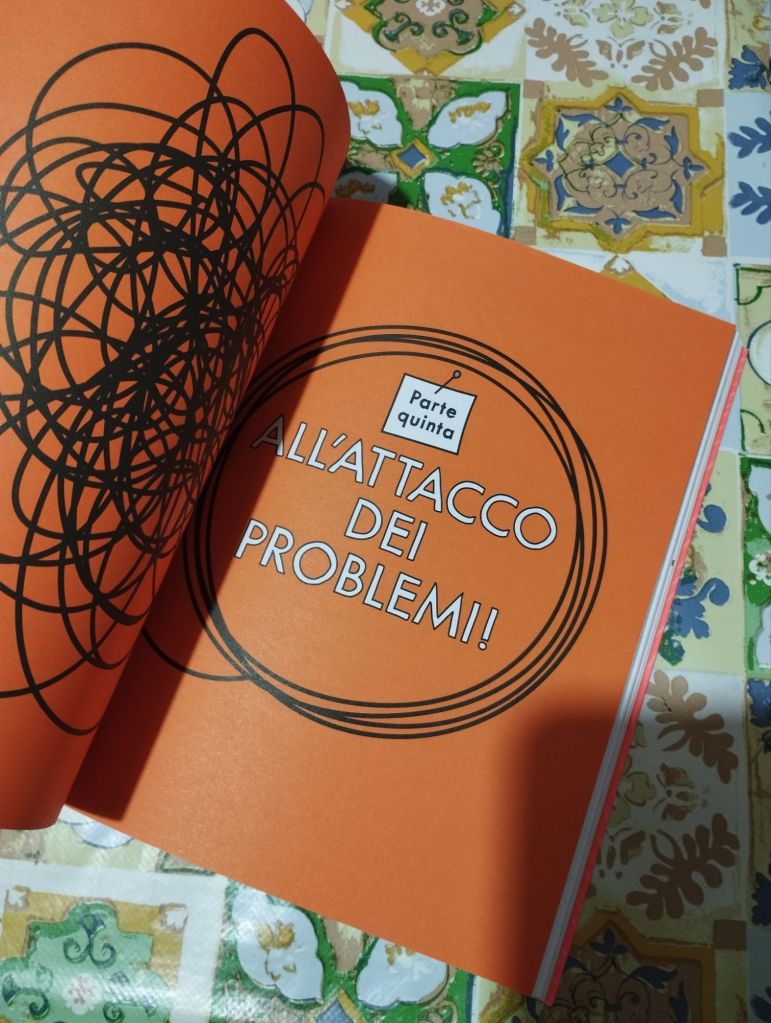
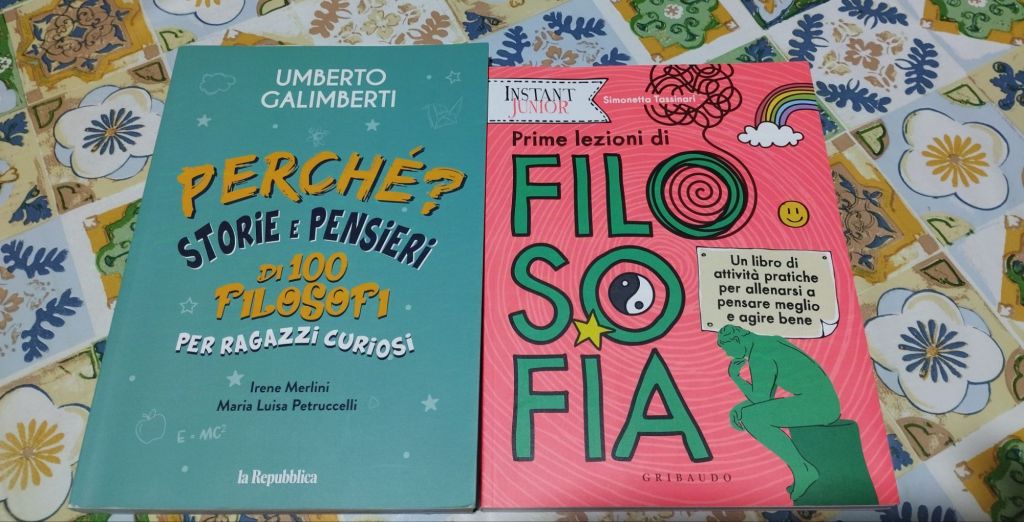
P. S. Come avrete notato dalle immagini, ci sono alcuni libri interessanti che potrebbero introdurre i nostri bambini ad una visione più consapevole  della propria vita, a partire da quella familiare fino ad arrivare a quella scolastica e di amicizia. Buona lettura a tutti!


Link:
https://www.unesco.it/it/news/giornata-mondiale-della-filosofia-philosophy-and-sustainability-16-novembre-2023/

https://www.altuofianco.blog/introdurre-filosofia-alla-primaria-per-insegnare-ai-bambini-a-sviluppare-un-pensiero-critico/?fbclid=IwY2xjawGTA4JleHRuA2FlbQIxMQABHd0xtm2thDANTX2r4sL0bUPjmk_m-0n3ZXw39Sv2CGuYrDp8Jp2QRSWNWA_aem_jw9XEBa0nlQzEzGMIY1nBQ

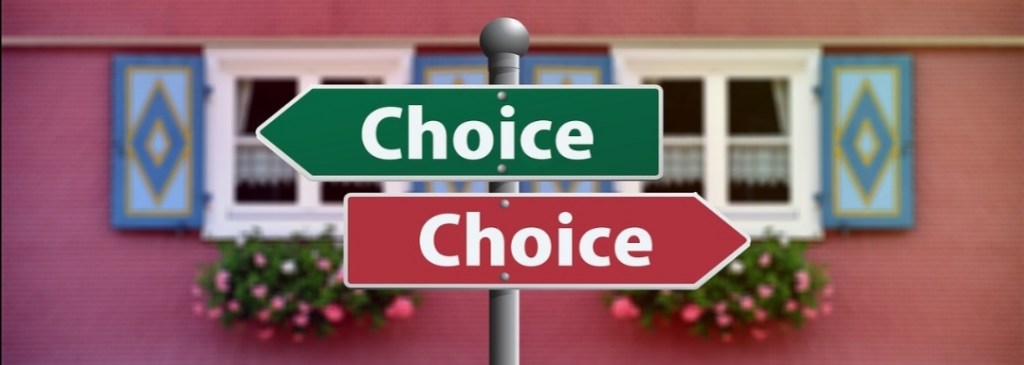
Ability and duty to choose: Søren Kierkegaard

Ability and duty to choose: Søren Kierkegaard

Little dear philosophers,

Have you ever had to choose between two or more equally attractive proposals, or have you ever thought what it would have been like if you had made one decision rather than another?

Making choices is part of our life: it gives us the opportunity to mature, evolve and become better. Choosing makes us conscientious and more aware of who we are, of our actions and their consequences for ourselves and others.

fonte: pixabay.com

If we didn’t choose what kind of human beings would we be? Certainly we aren’t tree trunks that are dragged by the water of a river: we are people with a reason that makes us different from others, that determines and that helps us to understand what to do.

fonte: pixabay.com

To talk about the ability and also the duty to choose was the Danish philosopher Søren Kierkegaard in his work “Aut-Aut” of 1843. In his interesting investigation, he starts from the idea that each of us can choose. However, the many possibilities before us can lead us incredibly to a state of distress precisely because we do not know what might be the right choice for us. But choosing is necessary: you have to decide between the various options the one that is right for you.

fonte: pixabay.com

How do you choose? Do you let yourself be guided by reason or by heart?

Maria Domenica Depalo

Friendship and Enmity according to Empedocle

Friendship and Enmity according to Empedocle

Welcome back little philosophers to our monthly space. Today we will start with two words that will guide our lesson: are you ready to start?
The terms in question will be Philia and Neikos. The first word corresponds to Friendship while the second to Enmity. Empedocle used them in his scientific and philosophical researches. Lived in the 5th century BC he was a philosopher, a doctor and a poet but above all he was an extremely curious man. Consider him a detective. Actually every philosopher should be considered this way.

Detective, Ricerca, Uomo, Ingrandimento, Inchiesta
http://www.pixabay.com


According to Empedocle, Philia and Neikos are the reasons of the union or the disjunction of the four roots of our world, namely air, earth, water and fire. Even birth and death would be closely linked to those two causes.

But let us try to understand better. What happens when you argue? Everyone tries to prevail over the other. So, this is what happens to our two principles: when Philia prevails, the roots of our world come together creating the reality in which we live while when Neikos prevails the roots move away and the creative process ends.

However, just as we fight, we are looking for a balance, an agreement that is good for all parties so friendship and enmity also seek a balance that satisfies both of them. Because if one succumbs the other succumbs too, because they are closely linked to each other.

Albero, Fiori, Prato, Tronco D'Albero, Luce Del Sole
http://www.pixabay.com

So, that’s all for now. See you next time, little wise kids.


Maria Domenica Depalo

Amicizia ed Inimicizia secondo Empedocle

Amicizia ed Inimicizia secondo Empedocle

Bentornati piccoli filosofi allo spazio mensile dedicato a voi. Oggi partiremo da due parole che fungeranno da guida proprio per la nostra lezione: siete pronti?

I termini in questione saranno Philia e Neikos. La prima parola corrisponde ad Amicizia mentre la seconda ad Inimicizia. Ad averle usate nelle proprie indagini scientifiche fu Empedocle. Vissuto nel V secolo a. C. egli fu filosofo, medico e poeta ma soprattutto fu un uomo estremamente curioso. Consideratelo un detective. Anzi, in realtà tutti i filosofi andrebbero considerati tali.

Detective, Ricerca, Uomo, Ingrandimento, Inchiesta
http://www.pixabay.com

Secondo Empedocle, Philia e Neikos sarebbero i principi alla base dell’unione o della disgiunzione delle quattro radici o archai del nostro mondo, cioè aria, terra, acqua e fuoco. Persino la nascita e la morte sarebbero strettamente legate a quelle due cause.

Ma cerchiamo di comprendere meglio questo aspetto. Cosa succede quando si litiga? Si tende a far prevalere le proprie ragioni prevaricando sull’altro. Ecco, questo è quello che succede ai nostri due principi: quando prevale Philia, le radici del nostro mondo si uniscono creando la realtà nella quale viviamo mentre invece quando prevale Neikos le radici si allontanano ed il processo creativo ha fine.

Albero, Fiori, Prato, Tronco D'Albero, Luce Del Sole
http://www.pixabay.com

Tuttavia, esattamente come quando si litiga, si cerca un punto di equilibrio, un accordo che vada bene per tutte le parti così anche Amicizia ed Inimicizia cercano un equilibrio che le soddisfi entrambe. Perché se soccombe una soccombe l’altra, essendo strettamente legate l’una all’altra.

Alla prossima, piccoli saggi.

Maria Domenica Depalo

Love according to Plato

Hello little thinkers and welcome back to our monthly appointment with the philosophical thought. Are you curious to discover the topic of February and to know the philosopher who will accompany us during our reflections? Good. So let’s start.

What month are we in? February. And February is the month of… Yes, exactly. This is the month of love. But what is love? Can you define it?

Photo by Ylanite Koppens on Pexels.com

We will try to give a definition of it through the help of one of the most interesting philosophers of the past. He spoke about it extensively in two of his works the Phaedrus and the Symposium.

We are talking about Plato. Member of a noble family, he was born in Athens around 428 a.C. Interested in politics and how to educate every person so to have a good citizen, he founded a school, the Academy, where he dedicated himself to his political and philosophical studies. He writes many dialogues and the main character of almost his writings was Socrates, an extraordinary man and thinker that we will talk about in the future.

Plato deals with politics, knowledge, body and spiritual reality but also love. In the Symposium he ideally invites each of us to attend a banquet precisely in the company of Socrates, but also that of the playwright Aristophanes and the tragic poet Agathone to talk about this topic.

Photo by Suvan Chowdhury on Pexels.com

Love is described as son of Penìa (poverty) and Pòros (richness). According to Plato, in fact, the man is “poor” because he misses something. That something is the Beauty that is far from us. To achieve it we are ready to overcome our limits and imperfections, approaching the true beauty and perfection that will allow us to “enrich ourselves”.

Love just does that: it helps us to lose our ugly sides and to become better and more beautiful. What do you think? How should love make each of us? And do you feel enriched or impoverished by it?

Photo by Nothing Ahead on Pexels.com

Maria Domenica Depalo