Friendship and Enmity according to Empedocle

Friendship and Enmity according to Empedocle

Welcome back little philosophers to our monthly space. Today we will start with two words that will guide our lesson: are you ready to start?
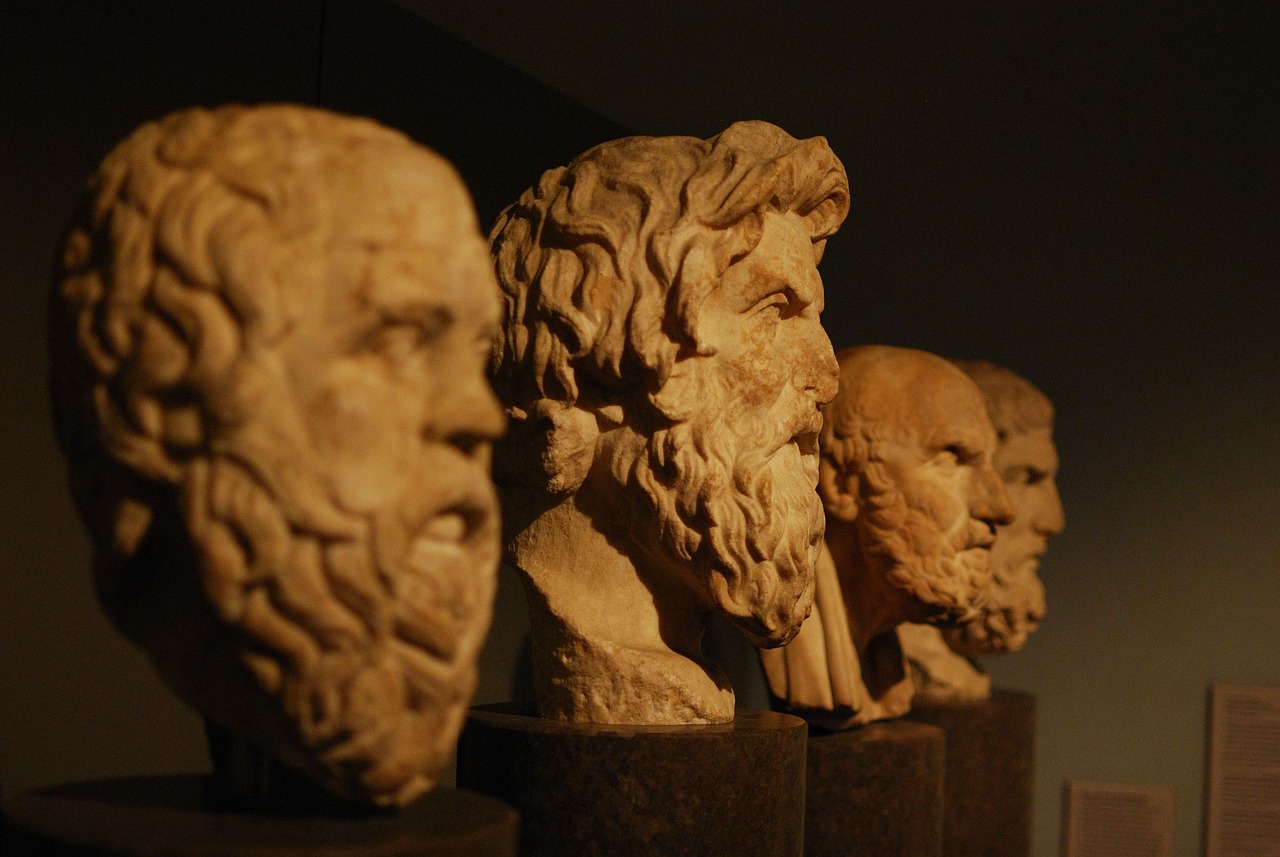
The terms in question will be Philia and Neikos. The first word corresponds to Friendship while the second to Enmity. Empedocle used them in his scientific and philosophical researches. Lived in the 5th century BC he was a philosopher, a doctor and a poet but above all he was an extremely curious man. Consider him a detective. Actually every philosopher should be considered this way.

Detective, Ricerca, Uomo, Ingrandimento, Inchiesta
http://www.pixabay.com


According to Empedocle, Philia and Neikos are the reasons of the union or the disjunction of the four roots of our world, namely air, earth, water and fire. Even birth and death would be closely linked to those two causes.

But let us try to understand better. What happens when you argue? Everyone tries to prevail over the other. So, this is what happens to our two principles: when Philia prevails, the roots of our world come together creating the reality in which we live while when Neikos prevails the roots move away and the creative process ends.

However, just as we fight, we are looking for a balance, an agreement that is good for all parties so friendship and enmity also seek a balance that satisfies both of them. Because if one succumbs the other succumbs too, because they are closely linked to each other.

Albero, Fiori, Prato, Tronco D'Albero, Luce Del Sole
http://www.pixabay.com

So, that’s all for now. See you next time, little wise kids.


Maria Domenica Depalo

Amicizia ed Inimicizia secondo Empedocle

Amicizia ed Inimicizia secondo Empedocle

Bentornati piccoli filosofi allo spazio mensile dedicato a voi. Oggi partiremo da due parole che fungeranno da guida proprio per la nostra lezione: siete pronti?

I termini in questione saranno Philia e Neikos. La prima parola corrisponde ad Amicizia mentre la seconda ad Inimicizia. Ad averle usate nelle proprie indagini scientifiche fu Empedocle. Vissuto nel V secolo a. C. egli fu filosofo, medico e poeta ma soprattutto fu un uomo estremamente curioso. Consideratelo un detective. Anzi, in realtà tutti i filosofi andrebbero considerati tali.

Detective, Ricerca, Uomo, Ingrandimento, Inchiesta
http://www.pixabay.com

Secondo Empedocle, Philia e Neikos sarebbero i principi alla base dell’unione o della disgiunzione delle quattro radici o archai del nostro mondo, cioè aria, terra, acqua e fuoco. Persino la nascita e la morte sarebbero strettamente legate a quelle due cause.

Ma cerchiamo di comprendere meglio questo aspetto. Cosa succede quando si litiga? Si tende a far prevalere le proprie ragioni prevaricando sull’altro. Ecco, questo è quello che succede ai nostri due principi: quando prevale Philia, le radici del nostro mondo si uniscono creando la realtà nella quale viviamo mentre invece quando prevale Neikos le radici si allontanano ed il processo creativo ha fine.

Albero, Fiori, Prato, Tronco D'Albero, Luce Del Sole
http://www.pixabay.com

Tuttavia, esattamente come quando si litiga, si cerca un punto di equilibrio, un accordo che vada bene per tutte le parti così anche Amicizia ed Inimicizia cercano un equilibrio che le soddisfi entrambe. Perché se soccombe una soccombe l’altra, essendo strettamente legate l’una all’altra.

Alla prossima, piccoli saggi.

Maria Domenica Depalo

Love according to Plato

Hello little thinkers and welcome back to our monthly appointment with the philosophical thought. Are you curious to discover the topic of February and to know the philosopher who will accompany us during our reflections? Good. So let’s start.

What month are we in? February. And February is the month of… Yes, exactly. This is the month of love. But what is love? Can you define it?

Photo by Ylanite Koppens on Pexels.com

We will try to give a definition of it through the help of one of the most interesting philosophers of the past. He spoke about it extensively in two of his works the Phaedrus and the Symposium.

We are talking about Plato. Member of a noble family, he was born in Athens around 428 a.C. Interested in politics and how to educate every person so to have a good citizen, he founded a school, the Academy, where he dedicated himself to his political and philosophical studies. He writes many dialogues and the main character of almost his writings was Socrates, an extraordinary man and thinker that we will talk about in the future.

Plato deals with politics, knowledge, body and spiritual reality but also love. In the Symposium he ideally invites each of us to attend a banquet precisely in the company of Socrates, but also that of the playwright Aristophanes and the tragic poet Agathone to talk about this topic.

Photo by Suvan Chowdhury on Pexels.com

Love is described as son of Penìa (poverty) and Pòros (richness). According to Plato, in fact, the man is “poor” because he misses something. That something is the Beauty that is far from us. To achieve it we are ready to overcome our limits and imperfections, approaching the true beauty and perfection that will allow us to “enrich ourselves”.

Love just does that: it helps us to lose our ugly sides and to become better and more beautiful. What do you think? How should love make each of us? And do you feel enriched or impoverished by it?

Photo by Nothing Ahead on Pexels.com

Maria Domenica Depalo

L’amore secondo Platone

Bentornati piccoli pensatori al nostro appuntamento mensile con la filosofia. Siete curiosi di scoprire l’argomento di febbraio e di conoscere il pensatore che ci accompagnerà durante le nostre riflessioni? Bene. Allora cominciamo.

In quale mese siamo? Febbraio. E Febbraio è il mese del…Sì, esatto. Questo è il mese dedicato all’amore. Ma cos’è l’amore? Sapreste definirlo?

Photo by Ylanite Koppens on Pexels.com

Noi cercheremo di formularne una definizione grazie anche all’aiuto di uno dei pensatori più interessanti della filosofia antica che ne ha parlato ampiamente in due delle sue numerose opere giunte fino a noi, cioè il Fedro ed il Simposio.

Cominciamo a conoscere il nome di questo pensatore. Si tratta di Platone. Di origine nobile, nasce ad Atene intorno al 428 a. C. Interessato di politica e di come educare ogni persona perché possa essere un bravo cittadino, fonda una scuola, l’Accademia, nella quale si dedica ai suoi studi politici e filosofici. Scrive tantissimi dialoghi ed il protagonista di quasi tutti i suoi scritti è Socrate, uomo e pensatore straordinario di cui però parleremo in futuro.

Platone si occupa di politica, di conoscenza, della realtà corporea e di quella spirituale ma anche di amore. Nel Simposio egli invita idealmente ognuno di noi a partecipare ad un banchetto proprio in compagnia di Socrate, ma anche di quella del commediografo Aristofane e del poeta tragico Agatone per parlare di questo argomento.

Photo by Suvan Chowdhury on Pexels.com

L’amore viene descritto come figlio di Penìa (povertà) e di Pòros (ricchezza). Secondo Platone infatti l’uomo sarebbe “povero” perché sente di essere privo qualcosa. Quel qualcosa è il bello che però è lontano da noi. E proprio per raggiungerlo siamo disposti a superare i nostri limiti e le nostre imperfezioni, avvicinandoci alla vera bellezza e perfezione che sono le uniche realtà che ci permetteranno di “arricchirci”.

L’amore fa proprio questo: ci permette liberarci delle nostre brutture e ci aiuta a diventare migliori e più belli. Voi cosa ne pensate? L’amore come dovrebbe rendere ognuno di noi? E voi vi sentite arricchiti o impoveriti da esso?

Photo by Nothing Ahead on Pexels.com

Maria Domenica Depalo

Friendship

Welcome children to the space dedicated to you and your questions, thoughts, ideas and philosophical reflections. From today, my little philosophers, we continue a path interrupted some time ago and we do it with a topic that concerns us all closely: friendship. As good thinkers, we are not satisfied by the obvious but, as detective as we are, we investigate trying to discover the reasons and causes of any phenomenon, from the most simple to the most complex: after all, philosophy means love for knowledge and wisdom. That is why we will deal with this topic. Are you ready to answer some questions but above all to reflect on them?

http://www.pixabay.com

What value have your friends and what kind of friend are you?

http://www.pixabay.com

Many philosophers have already addressed this topic in the past. One of these was the Stagyrite Aristotle (384 BC – 322 BC) who spoke of it in the Nicomachean Ethics. We will get to know this wiseman better in the future when we talk about logic and science. For now, you have to know that he studied…. everything (he was in fact a polymath) and therefore also friendship.

It was Aristotle himself who uttered a thought on which we will be able to linger a little. He states that there are three types of friendship: friendship based on pleasure; friendship based on interest; friendship based on goodness (from Arist). So according to this, there could friendship for fun (therefore temporarily) or for interest (if you want something from another person).

However, trust, respect and affection are the bases of a solid and true friendship, which he speaks about at last, aren’t they? So I ask you: do you become friends just to have fun, to get something in return or for affection? How do you relate to your friends?

http://www.pixabay.com

Maria Domenica Depalo

L’amicizia

Benvenuti bambini allo spazio dedicato a voi e ai vostri quesiti, pensieri, idee e riflessioni filosofiche. Da oggi, miei piccoli filosofi, ricominciamo un percorso interrotto qualche tempo fa e lo facciamo con un argomento che riguarda tutti noi da vicino: l’amicizia. Da bravi pensatori non ci accontentiamo dell’ovvio ma, da detective quali siamo, indaghiamo cercando di scoprire le ragioni e le cause di qualsiasi fenomeno, da quello più banale a quello più complesso: d’altronde filosofia vuol dire proprio amore per il sapere e la conoscenza. Ecco perché ci occuperemo di questo argomento. Siete pronti a rispondere ad alcune domande ma soprattutto a rifletterci su?

Che valore date ai vostri amici e voi che tipo di amici siete?

http://www.pixabay.com

Moltissimi filosofi hanno già affrontato questo tema in passato. Uno di questi fu lo stagirita Aristotele (384 a.C. – 322 a.C) che ne parlò nell’opera Etica Nicomachea. Conosceremo meglio questo studioso in futuro quando parleremo di logica e di scienza. Per adesso sappiate che fu un appassionato di…. ogni cosa (era infatti un polimata) e quindi anche di amicizia.

http://www.pixabay.com

Fu proprio Aristotele a pronunciare un pensiero sul quale potremo indugiare un po’. Che ne dite? Egli afferma che Ci sono tre tipi di amicizia: amicizia basata sul piacere; amicizia basata sull’interesse; amicizia basata sulla bontà (cit. Arist). Quindi secondo lo stagirita, si può essere amici solo per gioco (quindi temporaneamente) oppure per interesse (se si vuole qualcosa dall’altra persona).

Tuttavia non sono proprio la fiducia, il rispetto e l’affetto le basi di una solida e vera amicizia, cioè di un’amicizia basata sulla bontà? Quindi vi chiedo: si diventa amici solo per divertirsi, per avere qualcosa in cambio oppure per affetto? E voi che amici siete?

Se vi va, rispondete alle mie domande e fatemi sapere cosa ne pensate.

http://www.pixabay.com

Maria Domenica Depalo

Buone vacanze a tutti!

Buone vacanze a tutti!

Fuoritempofuoriluogo va in vacanza. Ci vediamo a gennaio per nuovi e interessanti articoli.
Buon Natale e buon anno! Nel frattempo, godetevi i nostri “vecchi” articoli.
Fuoritempofuoriluogo is on holiday. Stay tuned! We will be back soon! In the meanwhile, read our old articles and Happy Christmas and happy new year.
#fuoritempofuoriluogo #destinazioneblogger #progettoblog #ilsalottodeiblogger #christmas #natale #weinachten #pausa #ferien #holiday

mde

photoby©minervinimariarosaria

Chi sei: benvenuti al Festivalfilosofia

Chi sei: benvenuti al Festivalfilosofia

Da cosa è determinata la nostra identità? In quale modo ne diventiamo consapevoli? Chi o che cosa stabilisce il nostro essere persona?

A parlarne quest’anno al Festivalfilosofia di Modena, Carpi e Sassuolo dal 13 al 15 settembre saranno importanti personalità del mondo accademico e della cultura in generale.

Unico nella sua individualità, l’essere umano necessita di una conferma razionale e logica del proprio esistere e quindi conseguentemente del proprio essere. Cartesio ad esempio l’aveva rinvenuta nel pensiero.

‘Cogito ergo sum’: penso quindi sono. La ragione e la capacità di formulare pensieri come prova dell’esistere diventano il caposaldo del pensiero cartesiano e punto di partenza di una riflessione che continua ancora oggi. 

Presente come realtà culturale nel territorio modenese da ben 18 anni, quest’anno il Festivalfilosofia sviluppa ulteriormente questo tema prezioso grazie all’apporto di importanti nomi. Umberto Galimberti, Remo Bodei, Massimo Cacciari e Michela Marzano sono solo alcune delle personalità che si alterneranno nel corso delle cinquanta lezioni magistrali che vedranno coinvolti i partecipanti a questo evento.

Si prevedono più di centottantamila persone tra adulti e bambini pronti a partecipare a dibattiti e a perdersi tra film, installazioni, fiabe di Andersen e mostre fotografiche.

man-1483479_1280.jpg

Per saperne di più, cliccate sui link:

http://www.festivalfilosofia.it/2019/

https://www-ansa-it.cdn.ampproject.org/v/www.ansa.it/amp/sito/notizie/cultura/libri/2018/09/16/festival-filosofia-persona-tema-2019_fdc0888d-4ed6-43c8-80ee-f661d8fc9baf.html?amp_js_v=a2&amp_gsa=1&usqp=mq331AQEKAFwAQ%3D%3D#aoh=15678890819235&amp_ct=1567889090342&referrer=https%3A%2F%2Fwww.google.com&amp_tf=Da%20%251%24s&ampshare=http%3A%2F%2Fwww.ansa.it%2Fsito%2Fnotizie%2Fcultura%2Flibri%2F2018%2F09%2F16%2Ffestival-filosofia-persona-tema-2019_fdc0888d-4ed6-43c8-80ee-f661d8fc9baf.html

https://m.facebook.com/festivalfilosofia/

Buona filosofia!

Maria Domenica Depalo


Pausa

Pausa

Cari amici di Sofia,

la nostra redazione sarà in ferie per un po’ a causa di improvvisi, sorprendenti e positivi motivi di lavoro.

Ma non temete: torneremo presto! Nel frattempo godetevi i nostri vecchi articoli!

Hi guys,

Because of a new job, Sofia will be on holiday for a while! But don’t worry: we will be back as soon as possible.

In the meanwhile, read our old articles.

Ciaooo

Maria Domenica Depalo

The beauty of the numbers: the course of the clouds

The beauty of the numbers: the course of the clouds

Dear little friends of Sofia,

Do you like numbers? What is your relationship with calculations, problems, theorems and formulas? I mean, do you love math?

Even if I graduated in philosophy, I love this discipline. Moving through numbers, letters, monomials and polynomials by looking for possible solutions or logical keys has always fascinated me.

I think that everything is number. In its abstractness and ineffability, it is certainly the most appropriate instrument to describe ourselves and the reality that surrounds us.

In fact the physicist, astronomer and scientist Galileo Galilei emphasized how nature is written with the language of numbers:

“The natural philosophy is written in this great book that is continually open in front of our eyes, I say the universe […] It is written in mathematical language, and the characters are triangles, circles and other geometric figures, without them it is impossible to understand humanly word; Without these it is an invain wandering in a dark labyrinth. “ The Essager, Galileo Galilei (1564-1642), physicist, astronomer, writer. (from https://www.matematicamente.it/approfondimenti/problem-solving/sp-2866/)

Now think a moment to the clouds, to their changing form but above all to their movement. Have you ever wondered if it is possible to predict their direction and destination? Someone has tried to answer this question using the mathematical language for a very long time before the young Italian mathematician, Alessio Figalli, who solved  this problem by elaborating the equation of motion of clouds (or optimal transport) and obtaining for this the Fileds medal, the “Nobel” of mathematics.

Figalli has compared every single particle of water vapor constituting a cloud to an ideal soap bubble, subjected to external and internal forces. Studying their action, characteristics and intensity he has elaborated his mathematical model, actually already intuited about seventy years ago by the Italian theorist Ennio De Giorgi, and that will surely be used in meteorological field.

“[…] To understand how the soap bubble has changed – he explains (Figalli)-compare an ideal bubble with a real one, deformed by external forces, thinking about these objects as compounds of particles. […] With the same approach it is possible to describe atmospheric fronts on a large scale. “The idea is to photograph the clouds in close periods. We know that clouds are composed of water vapour: in the photos we see images of billions and billions of particles moved from one configuration to another and the problem is to say how each particle has moved”. (from https://www.ilmattino.it/societa/persone/figalli_nubi_equazioni-3890358.html )

For the moment, however, waiting for a practical application of this theoretical intuition, we continue to admire the clouds that overlook our heads, guessing their shapes and  stories but above all admiring the eternal but at the same time changing beauty.

Link:

http://www.repubblica.it/scienze/2018/08/01/news/chi_e_alessio_figalli_il_matematico_seconda_medaglia_fields_italiana-203123315/

https://www.ilmattino.it/societa/persone/figalli_nubi_equazioni-3890358.html

https://www.ilfattoquotidiano.it/2018/08/01/alessio-figalli-cosi-ha-risolto-lequazione-per-prevedere-il-movimento-delle-nuvole/4532625/

https://www.matematicamente.it/approfondimenti/problem-solving/sp-2866/

Maria Domenica Depalo