New course of questions: the empathy

New course of questions: the empathy

Dear readers of Sofia,

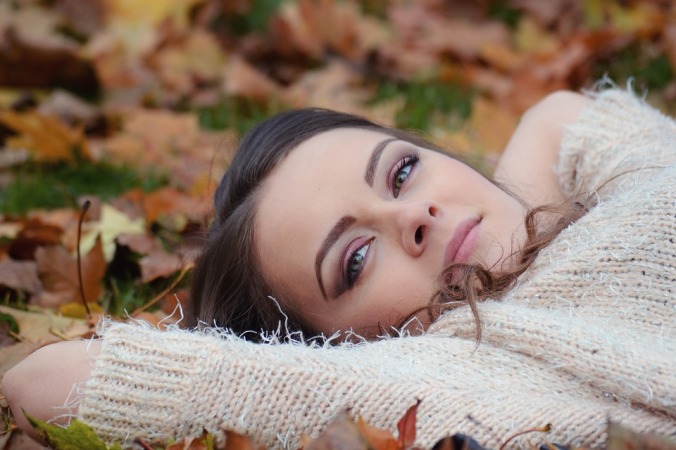
after a period of observation and careful reflection, our section “Questions” is back. Today we will reflect about empathy, the ability to feel what the other feels.

The word “empathy” derives from the Greek “en + pathos”, in pain. Thanks to it, we have the possibility to enter in the personal world of who surrounds us and to see ourselves in fears, expectations and dreams that aren’t ours.

“Empathy is a way not only to know the others but also to develop a sense of responsibility towards them. Thanks to it, it is possible to understand the difficulties […] and to implement strategies of action for them. […] In this way, the ego, which is in each of us, acquires a bigger and totalizing dimension”. (see link)

But how close are we to the others? Are we able enough to perceive what lives in their hearts and thoughts? Are we empathetic enough and how much do we care about mankind?

If you want, answer the questions. I am sure that in this way it will be possible to have a rich and fruitful reflection about this theme.

Link:

https://freewordsmagazine.wordpress.com/2017/05/20/empatia-lio-come-laltro/

Maria Domenica DePalo

Shopping mon amour

Shopping mon amour

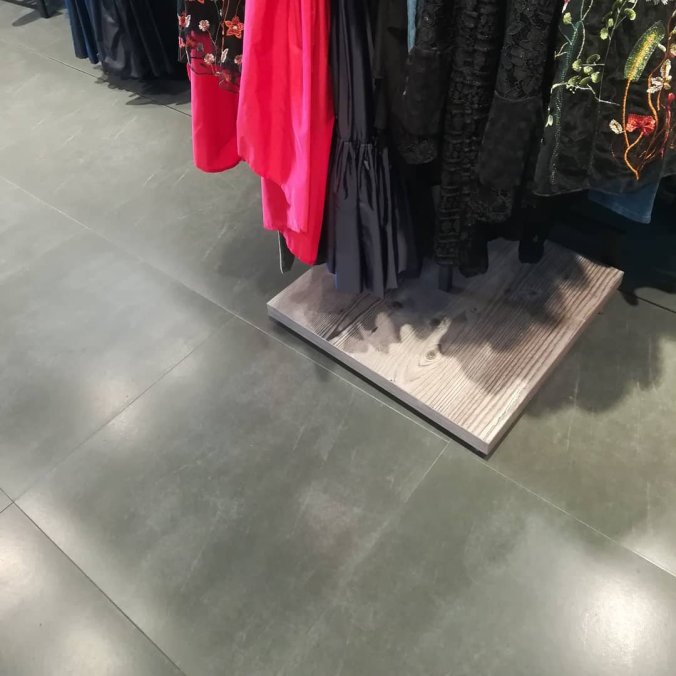
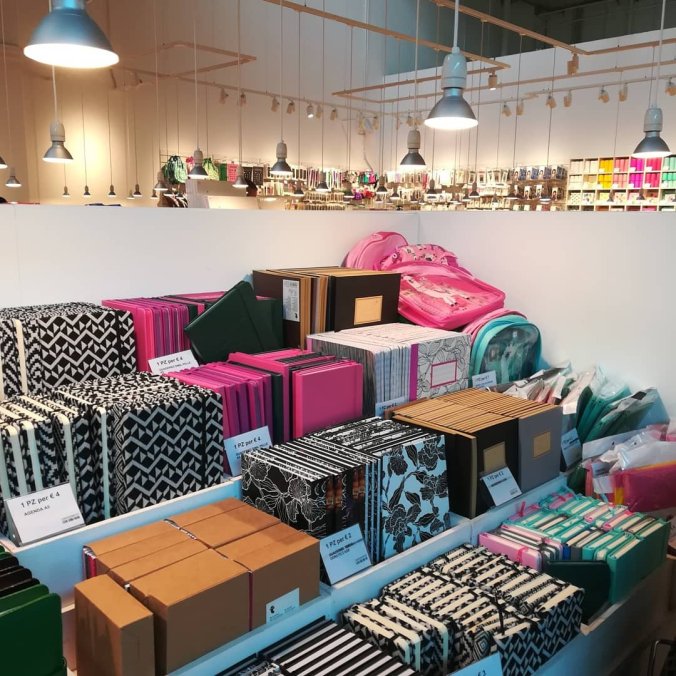
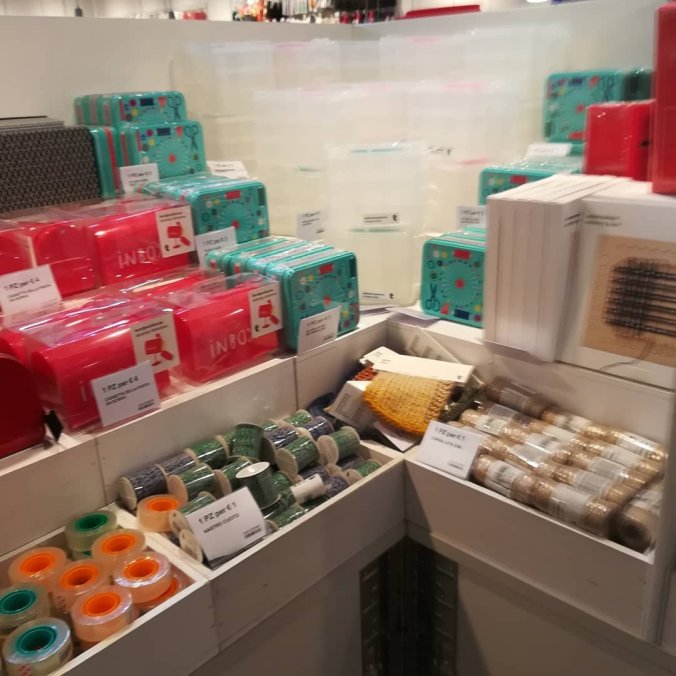
It could be strange, but even if this is a philosophical and cultural blog, the author (me!) loves shopping. So enjoy my photos and share yours if you want.
🙂
Probably I will talk about the philosophy of shopping soon. In the meanwhile answer these questions: do you like shopping? Why and when do you go shopping?
#shopping
#shoppingmonamour
#sofiailmondodentroefuori
#ipercoopmongolfieramolfetta
#molfetta

Maria Domenica Depalo

Photo by ©MariaDomenicaDepalo

Photo by ©MariaDomenicaDepalo

Photo by ©MariaDomenicaDepalo

Photo by ©MariaDomenicaDepalo

Nuovo corso di domande: l’empatia

Nuovo corso di domande: l’empatia

Cari lettori di Sofia,

dopo un periodo di osservazione e riflessione attenta torna la nostra rubrica “domande”. Ci porremo delle domande alle quali non sempre sarà possibile dare una risposta ma che spesso e volentieri potranno contribuire allo sviluppo di altri quesiti.

Quelle odierne concernono l’empatia, la capacità di cogliere ciò che l’altro sente pur mantenendo il necessario distacco”. (cit. vedi link)

La parola “empatia” deriva dal greco “en + pathos”, nel dolore. Nel dolore condiviso e vissuto come proprio ma anche nella felicità dell’altro percepita come nostra noi vediamo noi stessi, le nostre aspettative ed i nostri sogni.

“L’empatia è un modo non solo per conoscere l’altro ma anche per sviluppare un senso di responsabilità verso il prossimo. Grazie ad essa è possibile cogliere le difficoltà dell’altro ed attuare delle strategie di azione a favore del prossimo. Divenendo altro, l’io, che è che in ognuno di noi, acquisisce una dimensione più ampia e totalizzante”. (cit. vedi link)

Ma quanto siamo vicini agli altri? Quanti di noi colgono ciò che abita nel cuore del prossimo? Quanti invece fingono di non vedere?

Se vi va,  rispondete ai quesiti. Sono sicura che in questo modo sarà possibile intavolare una riflessione ricca e feconda sul rapporto con l’altro da sé.

Link:

https://freewordsmagazine.wordpress.com/2017/05/20/empatia-lio-come-laltro/

Maria Domenica Depalo


The beauty of the numbers: the course of the clouds

The beauty of the numbers: the course of the clouds

Dear little friends of Sofia,

Do you like numbers? What is your relationship with calculations, problems, theorems and formulas? I mean, do you love math?

Even if I graduated in philosophy, I love this discipline. Moving through numbers, letters, monomials and polynomials by looking for possible solutions or logical keys has always fascinated me.

I think that everything is number. In its abstractness and ineffability, it is certainly the most appropriate instrument to describe ourselves and the reality that surrounds us.

In fact the physicist, astronomer and scientist Galileo Galilei emphasized how nature is written with the language of numbers:

“The natural philosophy is written in this great book that is continually open in front of our eyes, I say the universe […] It is written in mathematical language, and the characters are triangles, circles and other geometric figures, without them it is impossible to understand humanly word; Without these it is an invain wandering in a dark labyrinth. “ The Essager, Galileo Galilei (1564-1642), physicist, astronomer, writer. (from https://www.matematicamente.it/approfondimenti/problem-solving/sp-2866/)

Now think a moment to the clouds, to their changing form but above all to their movement. Have you ever wondered if it is possible to predict their direction and destination? Someone has tried to answer this question using the mathematical language for a very long time before the young Italian mathematician, Alessio Figalli, who solved  this problem by elaborating the equation of motion of clouds (or optimal transport) and obtaining for this the Fileds medal, the “Nobel” of mathematics.

Figalli has compared every single particle of water vapor constituting a cloud to an ideal soap bubble, subjected to external and internal forces. Studying their action, characteristics and intensity he has elaborated his mathematical model, actually already intuited about seventy years ago by the Italian theorist Ennio De Giorgi, and that will surely be used in meteorological field.

“[…] To understand how the soap bubble has changed – he explains (Figalli)-compare an ideal bubble with a real one, deformed by external forces, thinking about these objects as compounds of particles. […] With the same approach it is possible to describe atmospheric fronts on a large scale. “The idea is to photograph the clouds in close periods. We know that clouds are composed of water vapour: in the photos we see images of billions and billions of particles moved from one configuration to another and the problem is to say how each particle has moved”. (from https://www.ilmattino.it/societa/persone/figalli_nubi_equazioni-3890358.html )

For the moment, however, waiting for a practical application of this theoretical intuition, we continue to admire the clouds that overlook our heads, guessing their shapes and  stories but above all admiring the eternal but at the same time changing beauty.

Link:

http://www.repubblica.it/scienze/2018/08/01/news/chi_e_alessio_figalli_il_matematico_seconda_medaglia_fields_italiana-203123315/

https://www.ilmattino.it/societa/persone/figalli_nubi_equazioni-3890358.html

https://www.ilfattoquotidiano.it/2018/08/01/alessio-figalli-cosi-ha-risolto-lequazione-per-prevedere-il-movimento-delle-nuvole/4532625/

https://www.matematicamente.it/approfondimenti/problem-solving/sp-2866/

Maria Domenica Depalo
La bellezza dei numeri: il corso delle nuvole

La bellezza dei numeri: il corso delle nuvole

Cari amici di Sofia grandi ma soprattutto piccini,

vi piacciono i numeri? Che rapporto avete con i calcoli, i problemi, i teoremi e le formule? Insomma, amate la matematica?

Io personalmente, pur essendo laureata in filosofia, adoro questa disciplina. Districarmi tra numeri, lettere, monomi e polinomi ricercando le possibili soluzioni o persino chiavi di lettura logica delle espressioni mi ha sempre appassionato.

Credo che tutto sia numero. Nella sua astrattezza e ineffabilità, esso è sicuramente lo strumento più adeguato per descrivere noi stessi e la realtà che ci circonda.

D’altro canto lo stesso fisico, astronomo e scienziato Galileo Galilei ha sottolineato come la natura sia scritta con il linguaggio dei numeri:

“La filosofia naturale è scritta in questo grandissimo libro che continuamente ci sta aperto innanzi agli occhi, io dico l’universo, ma non si può intendere se prima non s’impara a intender la lingua e conoscer i caratteri nei quali è scritto. Egli è scritto in lingua matematica, e i caratteri son triangoli, cerchi ed altre figure geometriche, senza i quali mezzi è impossibile a intenderne umanamente parola; senza questi è un aggirarsi vanamente per un oscuro labirinto.” Il Saggiatore, Galileo Galilei (1564-1642), fisico, astronomo, scrittore. (citazione tratta da https://www.matematicamente.it/approfondimenti/problem-solving/sp-2866/ )

Ora pensate un attimo alle nuvole, alla loro forma mutevole ma soprattutto al loro movimento. Vi siete mai chiesti se sia possibile prevederne il moto per conoscerne con certezza la direzione e destinazione?

La domanda appena posta ha attanagliato ricercatori, matematici e scienziati per moltissimo tempo per trovare finalmente risposta grazie ad un giovane matematico italiano, Alessio Figalli, che è riuscito a risolvere questo problema elaborando l’equazione del moto delle nubi (o del trasporto ottimale) ed ottenendo per questo la medaglia Fields, in pratica il “Nobel” della matematica.

Figalli ha paragonato ogni singola particella di vapore acqueo costituente una nuvola ad una bolla di sapone ideale, sottoposta a forze esterne ed interne. Studiandone l’azione, le caratteristiche e  l’intensità egli è giunto ad un modello matematico, in realtà già intuito una settantina di anni fa dal teorico italiano Ennio De Giorgi, e che potrà sicuramente essere usato in ambito meteorologico.

“[…] Per capire come è cambiata la bolla di sapone – spiega (Figalli)- confronto una bolla ideale con quella reale, deformata da forze esterne, pensando a questi oggetti come composti di particelle”. […]Con lo stesso approccio è possibile descrivere fronti atmosferici su larga scala. “L’idea è di fotografare le nubi in periodi ravvicinati. Sappiamo che le nuvole sono composte da vapore acqueo: nelle foto vediamo immagini di miliardi e miliardi di particelle mosse da una configurazione a un’altra e il problema è dire come si è mossa ciascuna particella”. (da https://www.ilmattino.it/societa/persone/figalli_nubi_equazioni-3890358.html)

Per il momento però, in attesa di un’applicazione pratica di questa intuizione teorica,  continuiamo ad ammirare le nuvole che sovrastano le nostre teste intuendone le forme e le storie ma soprattutto ammirandone l’eterna ma allo stesso mutevole bellezza.

Link:

http://www.repubblica.it/scienze/2018/08/01/news/chi_e_alessio_figalli_il_matematico_seconda_medaglia_fields_italiana-203123315/

https://www.ilmattino.it/societa/persone/figalli_nubi_equazioni-3890358.html

https://www.ilfattoquotidiano.it/2018/08/01/alessio-figalli-cosi-ha-risolto-lequazione-per-prevedere-il-movimento-delle-nuvole/4532625/

https://www.matematicamente.it/approfondimenti/problem-solving/sp-2866/

Maria Domenica Depalo


Welcome back September

Welcome back September

This morning I was listening to the radio when I noticed the notes of “September morning” by Neil Diamond. Strange but probably not so strange if we consider that the month of September has just begun.

Summer days have flown so quickly that it seems surreal we are turning back to the autumn and to the monotonous but at the same time reassuring routine of everyday life. However, going back to the good old habits also has its positive aspects, don’t you think?

Let’s think about the advantages of returning to the already known. For example, it will be nice to exchange again a chat with the baker but also with the neighbors returned from the holidays.

When we talk about September, we associate this month to stress and anxiety. But why should it be like that?

Facing everything with more peaceful rhythms would allow each of us to  appreciate the hours, the perfumes and the colors in a better way. […] Concentrating on our breaths, we would have the opportunity to come into contact with ourselves , with our dreams, desires and aspirations in a new and deep way and surely also the relations with who surrounds us would improve a lot. (from https://freewordsmagazine.wordpress.com/2017/12/01/ode-alla-lentezza/)

cropped-coffee-2354880_960_720

How do you live the September return? If you want, leave your answer in the comments.

Maria Domenica Depalo

Bentornato settembre

Bentornato settembre

Stamani, mentre ascoltavo la radio, non ho potuto fare a meno di notare le note di  “September morning” di Neil Diamond. Certo non è stato un caso visto che oggi è ritornato,  se pur in modo discreto e quasi a non voler disturbare, il mese di settembre.

Diciamo la verità: l’estate è volata via velocemente. I giorni si sono succeduti l’un l’altro in maniera così rapida che ci sembra quasi surreale essere tornati al tran tran autunnale e alla routine monotona ma al contempo rassicurante del quotidiano.

Molti associano la fine dell’estate alla fine della serenità e della spensieratezza nonché al ritorno delle incombenze noiose e veloci legate agli impegni lavorativi o scolastici procrastinati per un po’. Tuttavia tornare alle buone e vecchie abitudini ha anche i suoi lati positivi, non credete?

Tornare al già noto può risultare persino rassicurante e piacevole. Ad esempio, è bello poter finalmente riuscire a scambiare di nuovo due chiacchiere con l’edicolante o la panettiera ma anche con i vicini tornati dalle ferie.

Avrete notato che ho evidenziato l’aggettivo veloci in uno dei paragrafetti precedenti. Non è stato un caso. Spesso e volentieri si pensa infatti che tornare a settembre significhi vivere di nuovo ad un ritmo veloce e stressante. Ma perché dovrebbe essere così?

Affrontare tutto con ritmi più pacati permetterebbe ad ognuno di noi di apprezzare meglio lo scandire delle ore, i profumi ed i colori che si susseguono nel corso della giornata.[…] Soffermandoci sui nostri respiri, avremmo la possibilità di venire a contatto con il nostro Io più profondo, con i nostri sogni, desideri e aspirazioni e sicuramente anche le relazioni con il prossimo migliorerebbero molto. Rapportandoci agli altri con calma, avremmo più tempo per osservare e riflettere sulle sfaccettature più intime e personali di chi ci circonda oltre che sulle nostre. (da https://freewordsmagazine.wordpress.com/2017/12/01/ode-alla-lentezza/)

Voi come vivete il ritorno di settembre? Se vi va, lasciate la vostra risposta nei commenti.

Maria Domenica Depalo


Giovinazzo: corteo storico e processione (Ita + Eng)

Giovinazzo: corteo storico e processione (Ita + Eng)

Amici di Sofia,
ecco alcune immagini e video del Corteo storico di Giovinazzo del 18 agosto 2018 giunto ormai alla sua 51esima edizione e della processione in onore della Madonna di Corsignano, la patrona di Giovinazzo.
Il folclore, la tradizione e la gioia festante hanno caratterizzato questo momento dedicato alla Vergine.
In uno dei video potrete notare anche la presenza del vescovo Domenico Cornacchia della diocesi comprendente Molfetta, Giovinazzo, Ruvo e Terlizzi.
Perdonate la qualità dei video ma sono stati realizzati con un umile smartphone.
Per vedere gli altri video, visitate e seguite il mio canale su YouTube.
Buona visione a tutti voi!

English version
Hi readers of Sofia,
here you can find some images and videos about the “Corteo storico” of Giovinazzo and the religious procession dedicated to the Madonna of Corsignano, protector of Giovinazzo.
In one of the videos, you can also see the bishop of Molfetta, Giovinazzo, Ruvo and Terlizzi: Domenico Cornacchia.
Those moments are an important event of the religious and social life of this little town of south Italy.
Please forgive the qualità of the videos: I realized them with my humble smartphone.
If you want to see the other videos, visit my YouTube Channel and subscribe.
Thank you 🙂


Questo slideshow richiede JavaScript.

Maria Domenica Depalo

Have you ever been in Giovinazzo?

Have you ever been in Giovinazzo?

Dear friends of Sofia,

today we will talk about a place where sun, sea and traditions combine to give birth to a dimension in which dreams and reality become an unique world.

We speak about Giovinazzo: marvellous city in the province of Bari, surrounded by the sea, here you can find witnesses of the Roman presence but also signs of its medieval story.  The population of this city, strictly connected to its Patron, grows considerably during summer, achieving twenty-five thousand people more or less between tourists and holiday workers.

But let’s see some photos representing the port, the suggestive bridge and Piazza Vittorio Emanuele II:

banchina del porto

la banchina del porto di Giovinazzo foto di ©MariaDomenicaDepalo

passerella di Giovinazzo

passerella di Giovinazzo foto di ©MariaDomenicaDepalo

insta_20180812_174450.png

Scorcio di Piazza Vittorio Emanuele II foto di © MariaDomenicaDepalo

next page–>