Philosophy lessons for children

Philosophy lessons for children

When we talk about philosophy, we often think of Socrates, Plato and Aristotle and imagine them while they are formulating questions, hypotheses or are elaborating theories and concepts. But who said that all this should be the prerogative of the great thinkers of the past? In everyone of us there is a philosopher, especially in the children.

Because of their curiosity and fantasy, kids make questions but they aren’t always satisfied with the first answer and so they try to go further.

This was probably the reason of “Philosophy 4 children”, a project born in Ireland and United Kingdom, whose aim is to enhance the critical skills of the small thinkers from seven years onwards.

Literature is rich in philosophers who have tried, through their own writings, to teach the little ones the art of reflection. Let’s remember the Italian author Luciano De Crescenzo who wrote“7 ideas for 7 philosophers”, where he handles “philosophical” arguments like love, friendship or others trying to envolve the young readers. But we have to remember also  Jostein Gaarder, a Norwegian writer, philosopher and thinker, author of “The world of Sofia”, which deals with the discovery of philosophy by the little Sofia.
In a humble way, with our lessons we want to offer a moment in order to reflect on themes like love, justice, death and future but not only. We would like to narrate and describe some moments of the history of philosophy, obviously using an appropriate style and language for our extraordinary little thinkers.

Are you ready to start?

Maria Domenica Depalo

Lezioni di filosofia per i più piccoli

Lezioni di filosofia per i più piccoli

Quando parliamo di filosofia, tendiamo a pensare ai grandi pensatori del passato come Socrate, Platone ed Aristotele oppure a quelli della contemporaneità come Sartre o Wittgenstein. Li immaginiamo intenti a formulare domande, proporre ipotesi ed elaborare teorie e concetti. Ma chi ha detto che tutto ciò debba essere prerogativa solo dei grandi pensatori?

I più piccoli, contrariamente a quanto si possa pensare, sono dotati infatti di una profondità di pensiero straordinaria che li porta a cercare di capire sempre il perché delle cose. Presi dalla loro curiosità, tuttavia, non sempre sono soddisfatti delle prime risposte ma cercano di andare oltre.

Probabilmente è stata questa la ragione per la quale è nato in Irlanda e nel Regno Unito l’innovativo progetto “Philosophy 4 children” il cui scopo è quello di potenziare le capacità critiche dei piccoli pensatori dai sette anni in poi.

Niente paura! Non vengono impartite delle cattedratiche e pedanti lezioni di filosofia ma vengono proposti degli spunti sui quali riflettere come l’amore, la giustizia, la morte ed il futuro. Nulla toglie ovviamente che si possa parlare dei pensatori più noti usando un linguaggio ed uno stile adatto a questi filosofi d’eccezione.

“Porre domande aiuta sin da piccoli a sviluppare la capacità di discernimento e di disvelamento degli inganni del linguaggio, della tecnologia e del mondo. Nelle scuole irlandesi ed inglesi inoltre sono stati notati miglioramenti didattici e comportamentali grazie all’insegnamento della filosofia. In particolare sembra anche che si litighi meno in aula”.(cit. da freewordsmagazine, vedi giù)

La letteratura è ricca di filosofi che hanno cercato, attraverso i propri scritti, di coinvolgere i piccoli e di insegnare l’arte del riflettere . Basti pensare al mitico Luciano De Crescenzo, il divulgatore per eccellenza del pensiero dall’antichità all’età moderna, autore di “7 idee per 7 filosofi”, destinato ai piccoli lettori oppure a Jostein Gaarder, scrittore, filosofo e pensatore norvegese, autore di “Il mondo di Sofia”, che affronta la scoperta della filosofia da parte della piccola Sofia.

Nel nostro piccolo, con le lezioni di filosofia per i più piccoli cercheremo di destare curiosità nei grandi e piccini, proponendo temi ed argomenti il più disparato possibile ma soprattutto aspettando i vostri quesiti, nella speranza che continuino a suscitare altre domande.

Link:

https://freewordsmagazine.wordpress.com/2017/09/11/filosofia-per-bambini-%ce%b3%ce%bd%e1%bf%b6%ce%b8%ce%b9-%cf%83%ce%b1%cf%85%cf%84%cf%8c%ce%bd-conosci-te-stesso/2/


Maria Domenica Depalo


Esperienze di viaggio

Esperienze di viaggio

Ognuno di noi ha un posto da visitare e scoprire perché ogni strada o paesaggio non è solo un semplice luogo ma è soprattutto espressione di chi siamo e della nostra vita interiore.
In effetti potremmo parlare di una vera e propria filosofia del viaggio come un modo per esplorare spazi noti oppure sconosciuti ma soprattutto noi stessi.

Non è necessario andare troppo lontano. Talvolta basta solo spostarsi nella città più vicina per compiere il nostro viaggio interiore.

D’altro canto il contatto con persone, culture, lingue, abiti e cibi diversi ci aiuta a conoscere meglio ciò che ci circonda e, allo stesso tempo, ad evolvere come persone e società.

Lo sconosciuto ed il nuovo vanno letti infatti come ricchezza imprescindibile per la nostra crescita interiore.

Ci sono molti modi per viaggiare in tutto il mondo, ma il primo è grazie all’immaginazione.

Grazie ad essa, ci avviciniamo per la prima volta, in un modo unico e personale a popoli, colori, gusti e nuovi luoghi con un carico di aspettative e progetti che speriamo di realizzare.

Ma cosa vediamo veramente quando attraversiamo nuove strade o incrociamo nuovi orizzonti? Cosa succede alla nostra vita?

Condividete con noi il vostro viaggio ideale o descrivete un luogo che visitate spesso e conoscete. Se volete, potete anche pubblicare una foto.

Ecco la mia.

Grazie.

scorcio di Giovinazzo

Scorcio di Giovinazzo foto di ©MariaDomenicaDepalo

Maria Domenica Depalo

Travel experiences

Travel experiences

Everyone of us has a place to visit and discover because every place, street or landscape is an expression of who we are and of our inner life.
In fact we could talk about a philosophy of travelling as a way to explore known and unknown spaces but especially ourselves.

It isn’t necessary to go too far or distant. You can move from your town to the nearest and make your travel: the one you need.

The contact with different people, cultures, languages, dresses and food could be read as an incredible instrument not only to  learn  more about what surrounds us but, at the same time, to evolve and  improve.

There are many ways to travel around the world but the first one is thanks to imagination.

Through it, we approach in a first, personal and unique way with people, colours, tastes and new places creating situations and moments we hope to realize.

What do you really see when you cross new roads or see new horizonts? What happens to your life?

Share with us your ideal travel or describe a place you visit often and know. If you want you can publish a photo.

I will publish the first.

Thank  you.

scorcio di Giovinazzo

Scorcio di Giovinazzo foto di ©MariaDomenicaDepalo


Maria Domenica Depalo


Festa della mamma (ita+engl version)

Festa della mamma

In questo giorno così speciale, omaggiamo le nostre madri con le parole di Kahlil Gibran e con una galleria di foto che vogliono render onore a tutte quante loro. Parliamo di madri di figli propri e/o di figli partoriti da altre donne ma anche di madri non ancora tali ma desiderose di esserlo, senza dimenticare quelle donne che lo sono pur non avendo figli perché sono capaci di donare se stesse appieno esattamente come se lo fossero.

La parola più bella 
sulle labbra del genere umano è Madre”
e la più bella invocazione è “Madre mia”. 
E’ la fonte dell’amore, della misericordia, 
della comprensione, del perdono. 
Ogni cosa in natura parla della madre.

Kahlil Gibran
fonte della citazione: http://www.aurorablu.it/frasi/Frasi_Mamma.htm

Maria Domenica Depalo

Mother’s Day

In this special day, we want to homage our mothers with the words of Kahlil Gibran and with a gallery of photos that want to honor all of them. We make honor to all the mothers of the world not only of those ones that have children but also to the mothers who want to realize that desire and those women who don’t have children but  are able to give themselves fully exactly as if they were mothers.

The most beautiful word
on the lips of mankind  is “Mother”,
and the most beautiful invocation is “My Mother”.
It is the source of love, of mercy,
of understanding, of forgiveness.
Everything in nature speaks of the mother.

Kahlil Gibran
source of the poem: http://www.aurorablu.it/frasi/Frasi_Mamma.htm

Maria Domenica Depalo


Questo slideshow richiede JavaScript.

World press freedom day 2018 (ita version)

World press freedom day 2018

Oggi 3 maggio, celebriamo la “Giornata mondiale della libertà di stampa”. Ogni giorno ci sono centinaia di giornalisti ma anche blogger che rischiano la vita per testimoniare ciò che accade soprattutto in quei luoghi nei quali non c’è spazio alcuno per la libertà e la democrazia oppure dove domina il crimine.

“Invito i governi a rafforzare la libertà di stampa e a proteggere i giornalisti. Promuovere la stampa libera è fondamentale per il nostro diritto alla verità”, afferma Antonio Guterres, segretario dell’ONU. (da https://tg24.sky.it/mondo/2018/05/02/giornata-mondiale-liberta-di-stampa.html)

Questo evento, organizzato dall’Onu e dalla Repubblica del Ghana, ha affrontato temi di fondamentale importanza inerenti la politica, la cultura e la crescente importanza dei media e della loro influenza sulla società.

A Roma, nel Liceo Tamiani, giornalisti come Paolo Borrometi, presidente di Art. 21, hanno parlato della loro vita costantemente minacciata dalla criminalità organizzata. A tal proposito ricordiamo Peppino Impastato ucciso in Sicilia dai killer della mafia perché non aveva paura di dire la verità sul crimine nella sua regione.

Il presidente italiano Mattarella ha dichiarato: «In occasione della XI Giornata della memoria dedicata ai giornalisti uccisi da mafie e terrorismo organizzata dall’Unione Nazionale Cronisti Italiani, desidero esprimere anzitutto i miei sentimenti di vicinanza e di solidarietà ai familiari, agli amici, ai compagni di vita e di lavoro, che hanno visto spezzare l’esistenza di un loro caro. La ricerca della verità, con tenacia, coraggio, intuizione, intelligenza, rigore, ha accompagnato l’impegno di persone consapevoli, che hanno messo la loro professionalità al servizio della crescita della società. Ed è proprio grazie a questi uomini e a queste donne, al loro lavoro, che, dove prima vi era diffusa omertà, ora spesso sono presenti simboli delle associazioni impegnate contro la mafia. Dove vi era silenzio dettato dal timore, o dalla connivenza, ora vi sono le parole, forti e coraggiose, dei nostri ragazzi. Dove c’era indifferenza o rassegnazione, ora si insegna la legalità. Una nuova stagione di violenze contro la stampa, in Italia, in Europa, nel mondo, sembra riaffacciarsi:ancora oggi aggressioni e intimidazioni minacciano il lavoro di quei cronisti che non si piegano alla logica di interessi e poteri illegali e della criminalità, recando così un contributo rilevante alla causa della democrazia. Occorre sostenere il loro lavoro perché difendono dall’aggressione la nostra vita sociale e la nostra libertà personale e familiare, attraverso l’informazione libera e corretta. Occorre proteggere le loro voci che rifiutano ogni sopraffazione. La libertà di informazione, come attesta la nostra Costituzione, è fondamento di democrazia».(da http://www.ilsecoloxix.it/p/cultura/2018/05/03/ACKSV2TD-liberta_mondiale_giornata.shtml)

Maria Domenica Depalo

World press freedom day 2018

World press freedom day 2018

Today, May the 3rd, we celebrate the “World press freedom day”. Instituted in 1993, this day remembers the journalists and bloggers who risk their life every day in order to let know to each of us what happens in every corner of the world. Especially in that one where there is no place for freedom and democracy, where the crime dominates and the fear to express your own opinion is too strong.

“I ask the governments to strengthen the freedom of the press and to protect the journalists. Promote free press is fundamental to our right to the truth”, says Antonio Guterres, secretary of Onu. (transl. from https://tg24.sky.it/mondo/2018/05/02/giornata-mondiale-liberta-di-stampa.html)

The principal event has been organized by Onu and the Republic of Ghana where it has taken place. The themes addressed embrace politics, culture and the increasing importance of the media and their influence on the society.

This day is celebrated everywhere. In Rome, in the Liceo Tamiani,  journalists like Paolo Borrometi, president of Art. 21, has talked about their life constantly menaced by crime. Let’s remember Peppino Impastato killed in Sicily by the killers of Mafia because he wasn’t afraid to say the truth about crime in his region.

The Italian president Mattarella has sayed «On the occasion of the XI Memorial Day dedicated to journalists killed by mafias and terrorism organized by the National Union of Italian Reporters, I wish to express first of all my feelings of closeness and solidarity to family members, friends, life and workmates, who assisted to the end of the existence of their loved one. […] They have put their professionalism at the service of the growth of society. And thanks to these men and women, to their work, where before there was widespread silence, now there are often symbols of associations against the Mafia. Where there was silence dictated by fear, or by connivance, now there are the words, strong and courageous, of our boys. Where there was indifference or resignation, now legality is taught. A new season of violence against the press, in Italy, in Europe, in the world, seems to reappear: even today aggressions and intimidation threaten the work of those reporters who don’t bend to the logic of illegal interests and powers and crime, thus bringing a significant contribution to the cause of democracy. It is necessary to support their work because they defend our social life and our personal and family freedom through aggression, through free and correct information. It is necessary to protect their voices that refuse every abuse. Freedom of information, as our Constitution attests, is the foundation of democracy “.(translation of http://www.ilsecoloxix.it/p/cultura/2018/05/03/ACKSV2TD-liberta_mondiale_giornata.shtml)

Maria Domenica Depalo


Il dono e altri racconti

Il dono e altri racconti

“Faceva freddo quella sera, la sera in cui s’incontrarono. Sembravano sconosciuti l’uno all’altra. Forse lo erano o forse no. Vagavano per le strade umide della città, insonni, svuotati di ogni desiderio. Tubi vuoti in cui soffiava l’aria della notte: ecco cos’erano quando si incontrarono”.

“It was cold that night, the night they met. They seemed strangers to each other. Maybe they were, or maybe not. They wandered through the damp streets of the city, sleepless, emptied of all desire. Empty tube the air of the night blows in: this is what they were when they met. “

#ildono
#ildonoealtriracconti

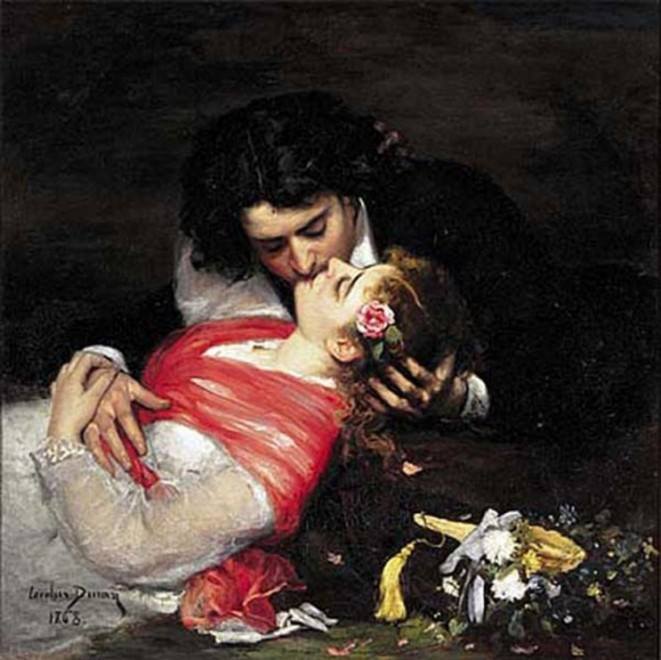
il bacio

“Il bacio” di Carolus Duran

N.B. titolo dell’opera “Il bacio” di Carolus Duran

Imagination, fantasy and comics

Imagination, fantasy and comics

Dear philosophers,

our journey to understand the numerous manifestations of fantasy and imagination continues. But what is imagination precisely? According to Aristotle, imagination is a typical characteristic connected to the sensations: the senses in fact are important when we imagine. However, we aren’t limited by them: our mind can “create” starting from the reality that surrounds us and perceives through the senses but can also “create” ex novo, giving life to fantastic worlds, dimensions and creations.

gem lauris

fonte: Photo by Gem & Lauris RK on Unsplash

So our attention goes to the world of comics and in particular to the “Torino Comics” held at the Lingotto Fiere in Turin and just concluded. Superheroes, characters, cosplay and so on were in this festival of creativity, imagination and fantasy.

Three days of comics but not only: workshops dedicated to graphic design, moments of reflection on sensitive topics such as discrimination and diversity and their representation, Manga workshops, photographs, art studies and even “Fantasy portrait of fantastic races “with Andrea Bertone. Really for all tastes and passions!

The 24th edition of the festival saw the participation of more than 56,000 people: simple curious but also passionate, everyone was part of a reality certainly very different from the daily one. Just let’s think of the cosplayers who, on their own or in pairs, have taken part to the International Cosplay League.

But why do you think these events are so successful? I believe that the reason is the possibility to leave  your own reality, even only for a few moment. On your opinion, what is essentially the reason for taking refuge in the imagination and fantasy?

jr-korpa-529181-unsplash

Links:

www.torinocomics.com

http://torino.repubblica.it/cronaca/2018/04/14/foto/cosplayer_e_fumetti_al_lingotto_per_il_torino_comics-193881750/

http://www.treccani.it/enciclopedia/immaginazione_%28Dizionario-di-filosofia%29/

Maria Domenica Depalo